Kindergarten geometry practice

Free Kindergarten geometry problems covering naming 2D and 3D shapes, counting sides and corners, and telling flat shapes from solid ones. Instant feedback, worked-out steps, and a fresh problem every time — no sign-up, and it works great on a phone.

// Cubles Brain Blocks: Geometry
Solved 00Streak 00

Your answer

Questions

What geometry do Kindergarten students learn?

In Kindergarten, geometry covers naming 2D and 3D shapes, counting sides and corners, and telling flat shapes from solid ones. Cubles Brain Blocks lets students practice all of it free, one problem at a time, with worked-out steps.

Is this Kindergarten geometry practice free?

Yes — every problem is free with no sign-up and no ads, and a new one is generated each time so it never runs out.

  • K.G.A.1Describe objects in the environment using names of shapes, and describe their relative positions using terms such as above, below, beside, in front of, behind, and next to.
  • K.G.A.2Correctly name shapes regardless of their orientations or overall size.
  • K.G.A.3Identify shapes as two-dimensional (lying in a plane, “flat”) or three-dimensional (“solid”).
  • K.G.B.4Analyze and compare two- and three-dimensional shapes, in different sizes and orientations, using informal language to describe their similarities, differences, parts (e.g., number of sides and vertices/“corners”) and other attributes.
  • K.G.B.5Model shapes in the world by building shapes from components (e.g., sticks and clay balls) and drawing shapes.
  • K.G.B.6Compose simple shapes to form larger shapes.

Geometry you can hold

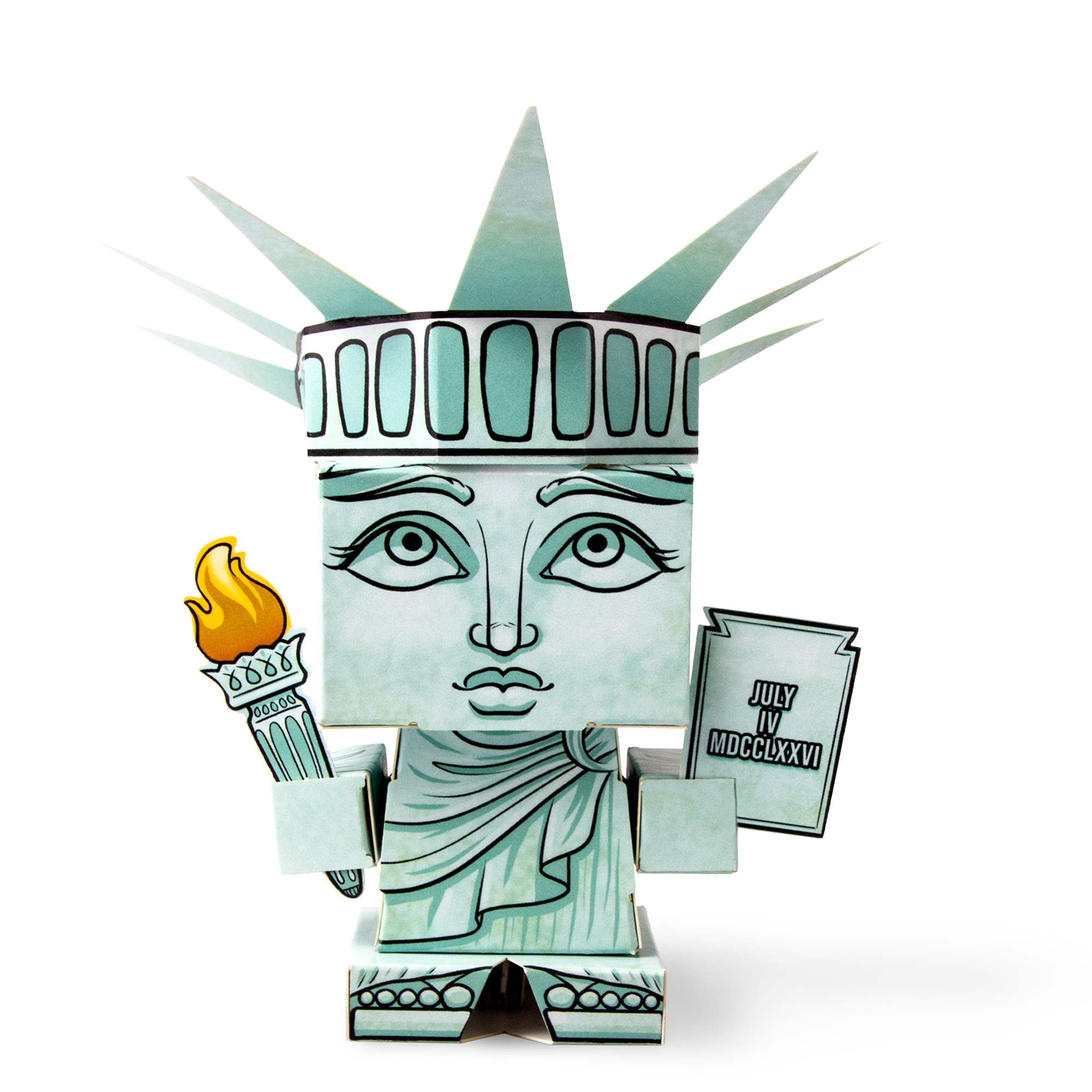
Cubles kits are geometry in your hands: nets, faces, edges and vertices that fold and click into a poseable 3D character. No scissors, no glue, about 15 minutes.
Build a Cuble →